

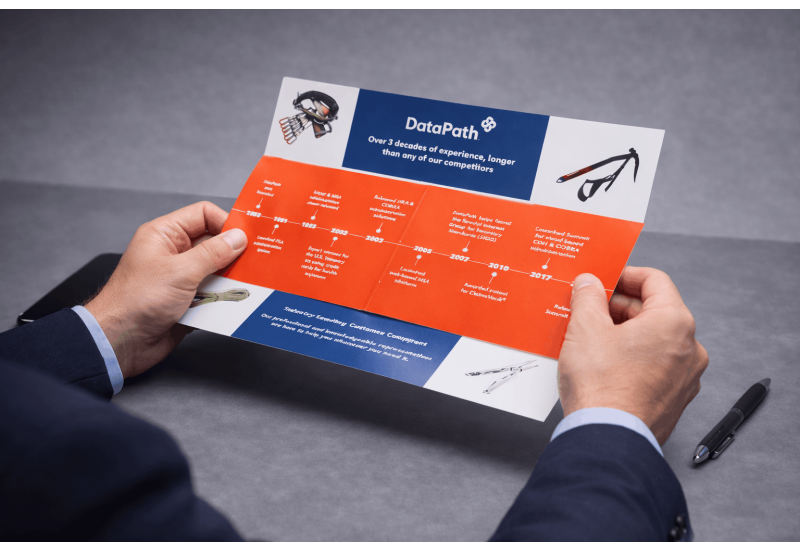
Direct mail lead generation is experiencing a major comeback. While inboxes are crowded and digital ads are easy to ignore, physical mail creates a moment of attention that digital channels often cannot match. When done strategically, direct mail helps marketers reach the right audience, generate qualified leads, and move prospects through the sales funnel.
In this guide, we will walk through a clear step by step process that marketers and sales teams can use to generate more leads with direct mail. From audience targeting to format selection and response tracking, each step focuses on practical actions that deliver measurable results.
Step 1: Define Who You Want to Reach and How To Segment Them
Every successful direct mail campaign starts with a clearly defined target audience. The more precise your targeting, the stronger your response rate and conversion rate will be.
Start by building a strong mailing list or prospect list. This may come from your CRM system, past customer data, event lists, or purchased business lists. Once the list is assembled, use data segmentation to group recipients based on meaningful characteristics.
Common segmentation methods include:
-
Industry or job role
-
Company size or revenue
-
Location or service region
-
Previous engagement with your brand
-
Purchase behavior or interests
For local campaigns, tools such as EDDM can help reach households or businesses within a specific geographic area. For B2B campaigns, combining CRM data with prospecting lists allows marketers to create highly targeted outreach.
When segmentation is done well, direct mail becomes far more relevant. Recipients feel that the message was created specifically for them rather than sent to a large audience.
Step 2: Craft an Offer That Makes People Want to Respond
Even the most visually impressive mailer will struggle if the offer is weak. A strong offer gives the recipient a compelling reason to respond.
Effective direct mail offers often include:
-
Free consultations or assessments
-
Exclusive discounts
-
Early access to a new product or service
-
Educational resources such as guides or reports
-
Invitations to events or webinars
The best offers solve a problem for the recipient. If your audience is evaluating vendors, offer a strategy consultation. If they are researching solutions, provide a valuable resource or case study.
Make the benefit clear immediately. Within seconds of viewing the mail piece, the recipient should understand the value of responding.
Step 3: Choose The Right Mail Format To Grab Attention
Format plays a major role in direct mail performance. Different formats create different levels of engagement and memorability.
Flat mail formats such as postcards and brochures are simple and cost effective. They are easy to scan and work well for large volume outreach.
Dimensional mail takes a different approach. These pieces add depth, movement, or interactive elements that stand out in the mailbox. Because they look and feel different from standard mail, they often achieve higher open rates and response rates.
For lead generation campaigns, several formats perform especially well:
Pop Up Mailers
Pop up mail pieces create an instant visual moment when opened. This surprise element grabs attention and encourages recipients to spend more time exploring the message.
Video Brochures
Video brochures combine print and digital experiences. When opened, the embedded screen automatically plays a video message. Sales teams often use these to introduce products, demonstrate solutions, or deliver personalized presentations.
Dimensional Mail Packages
Small boxes or dimensional mail packages spark curiosity and encourage recipients to open them. Inside, marketers can include samples, printed content, or a clear call to action.
Choosing the right format can dramatically improve response rates. Memorable mail pieces increase the time recipients spend with your message, which increases the likelihood they will take action.
Red Paper Plane specializes in creative formats that are designed to capture attention and drive conversions.
Step 4: Make It Easy for Leads to Respond with a Clear CTA
Once a recipient becomes interested, the next step should be effortless. Your call to action should clearly tell the reader what to do next and make responding simple.
Effective calls to action include:
-
Visit a landing page
-
Book a meeting
-
Scan a QR code
-
Redeem an offer
-
Request a consultation
Many modern direct mail campaigns use QR codes or personalized URLs to connect print with digital experiences. With a quick scan, recipients can be directed to a landing page, scheduling form, or personalized content.
Variable data printing can also personalize the call to action. Each recipient can receive a unique QR code or personalized URL that leads to a custom landing page.
The goal is clarity. The recipient should instantly understand what action to take and why it benefits them.
Step 5: Track What’s Working and Optimize Your Results
Direct mail campaigns become even more powerful when they are measurable. By tracking engagement and conversions, marketers can identify which campaigns generate the most leads and the best return on investment.
Common tracking methods include:
-
QR codes that direct recipients to campaign landing pages
-
Personalized URLs that identify each visitor
-
CRM integration that logs responses and conversions
Marketing automation platforms can capture scan activity, form submissions, and follow up engagement. This information helps marketers calculate metrics such as cost per lead, response rate, and conversion rate.
Tracking data also allows teams to run A/B testing across different offers, formats, and designs. Over time, these insights help improve campaign performance and reduce customer acquisition costs.
Step 6: See How One Agency Turned Direct Mail into Real Results
First Bank of Greenwich, a financial institution serving customers in Connecticut and New York, wanted to thank its top customers in a way that felt more personal than traditional advertising. In the past the bank used television commercials to share this message, but they wanted something more direct and memorable. Working with Red Paper Plane, they created a campaign using a 4.3 inch video brochure.
When recipients opened the mail piece, a video message from the bank began playing automatically. The format allowed the bank to speak directly to customers while sharing updates about the company and expressing appreciation for their loyalty. The interactive experience made the message feel more personal and engaging than a traditional mail piece.
The results were impressive. First Bank of Greenwich achieved a 92 percent response rate from the campaign. Many recipients even reached out asking where the video brochure came from because they wanted to use it themselves, proving how powerful a creative direct mail format can be when paired with the right message and audience.
Frequently Asked Questions
What is the biggest challenge in direct mail lead generation?
The biggest challenge is reaching the right audience. If your mailing list is not well segmented, even a great design and strong offer may not generate leads. Accurate data and smart segmentation are critical.
How can I personalize direct mail for better results?
Personalization can include variable data printing, personalized landing pages, unique QR codes, and tailored messaging. These techniques allow each recipient to experience a message designed specifically for them.
Can direct mail be used for both B2B and B2C lead generation?
Yes. Direct mail works effectively for both business and consumer audiences. The key difference lies in the targeting strategy and the type of offer presented.
What types of offers work best in direct mail campaigns?
Offers that provide clear and immediate value perform best. Examples include consultations, educational resources, exclusive promotions, and product demonstrations.