

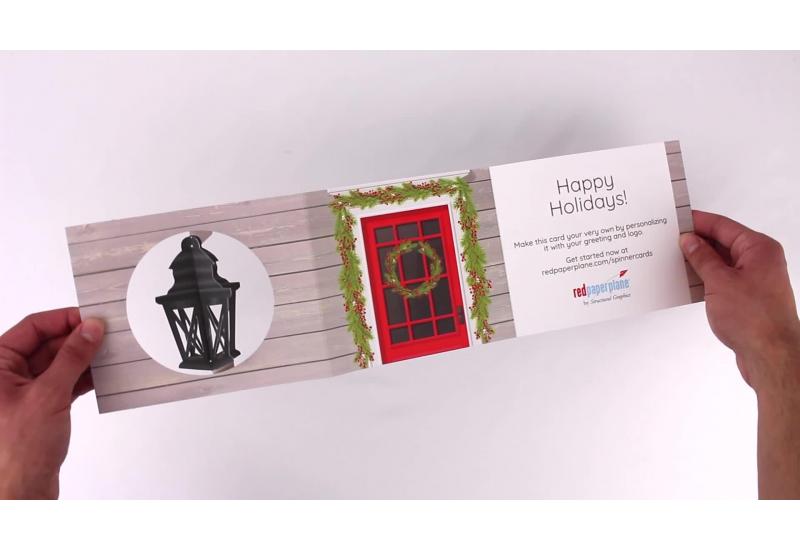
The holidays are an opportunity to turn routine outreach into a meaningful moment. A well-crafted holiday card expresses appreciation, strengthens relationships, and signals that your brand pays attention. To keep your message thoughtful and on brand, follow the practical do’s and don’ts below. If you are deciding what to send this year, our curated direct mail Christmas cards showcase formats and finishes that help you match message to brand and budget.
Dos for Sending Holiday Greeting Cards to Clients
Make Every Holiday Greeting Personal and Professional
Personalization beats volume. Use CRM segmentation to group recipients by account value, geography, and recent interactions. Tailor holiday greetings to clients with a single specific sentence that references a shared win, a renewal, or a local detail. For example, "Wishing you a restful season after a busy Q4 in London" reads like a relationship note rather than a broadcast.
For VIPs and key accounts, add a short handwritten note or initials from the account lead. Standardize who signs which tier, and record that rule in your mail plan so signatures stay consistent across the program.
Maintain Brand Voice and Tone
Your card should sound like your brand in a quieter register. If your brand is formal, choose classic typography and heavyweight paper. If your brand is creative, a playful fold or a bright color palette can convey personality while staying professional. And with Red Paper Plane, you can design your own holiday greeting card with your logo and holiday message.
Decide before production whether messages are from the CEO, the account team, or a small executive group. Consistency matters more than perfection, and a predictable signing model prevents mixed signals.
Choose Inclusive Holiday Wording That Fits All Clients
Inclusive word choice prevents unintended friction with multi-faith or international audiences. Phrases such as "Warm Wishes for the Season" or "Wishing You Joy and Success in the New Year" are professional and safe. Reserve specific religious language for clients you know celebrate that faith. For example, avoid casual use of "Merry Christmas" unless the record says the client observes that holiday. If you must localize, a short translation is effective, and it demonstrates cultural sensitivity without overcomplicating production.
Plan Your Mailing Timeline Early to Beat Holiday Delays
Production and postal timelines lengthen during the holidays. Begin planning six to eight weeks before your intended send window. Build approvals, design reviews, and physical proof review into your schedule. Factor in postage and tracking when calculating your lead times.
Double-Check Addresses and Recipient Details Before Sending
Address accuracy is a simple fix with big returns. Validate addresses from your CRM export, confirm preferred names and titles with account teams, and remove duplicates. Returned mail can create awkward follow-ups and undermine your effort. Keep a pre-send checklist with name spelling, job title, preferred mailing address, and opt-out preferences. Tie this checklist to the final print approval so nothing slips through.
Invest in Quality Cards and Interactive Design
Material choices send a message. Select paper, ink, and finishes that reflect your brand values and ensure legibility. Accessibility matters, so use sufficient contrast and readable type sizes for all recipients.
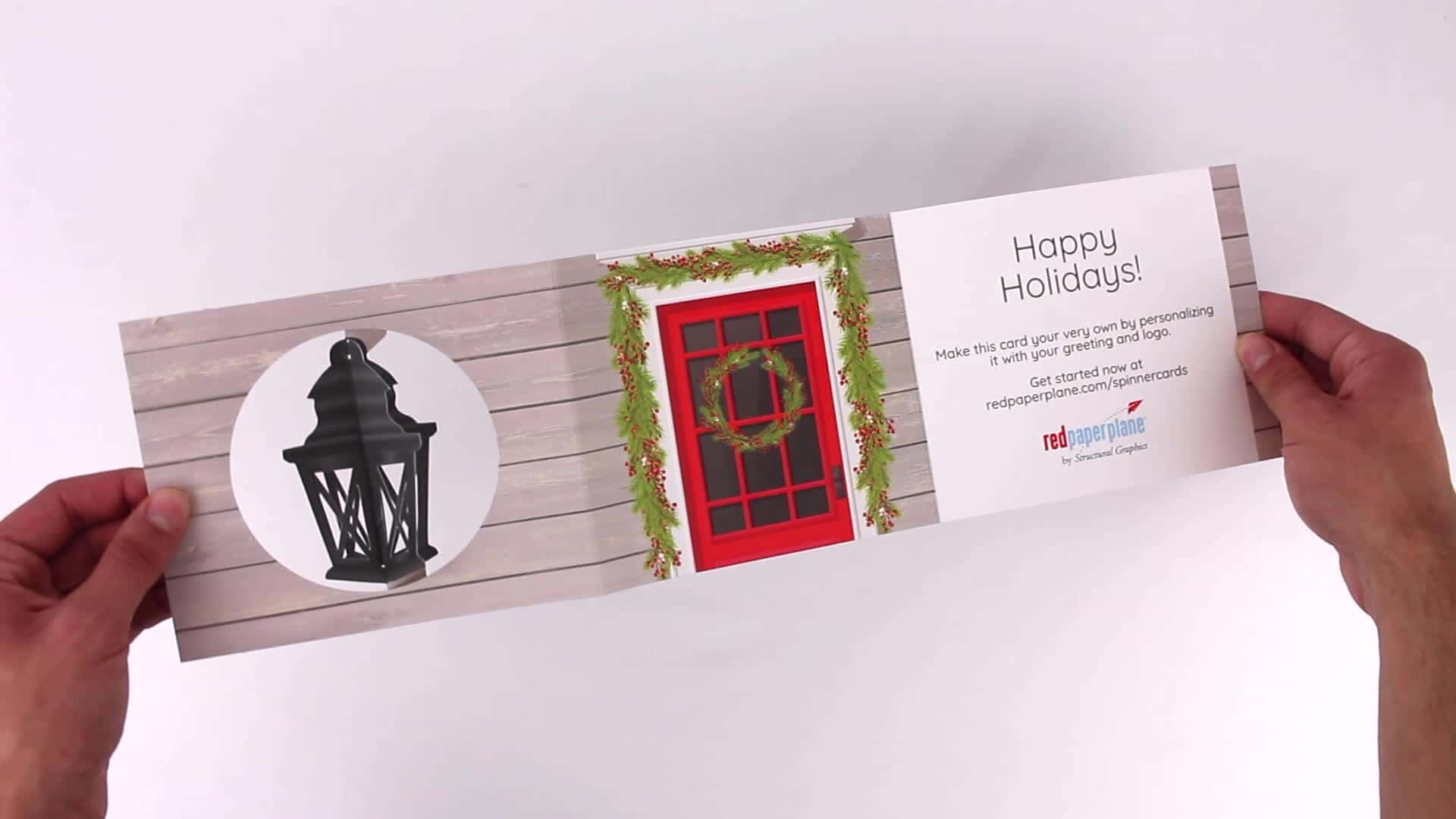
Consider creative 3-D formats that create tactile memories. Our popular holiday globe cards demonstrate engineered folds and interactive features that turn a greeting into an experience. For top accounts, a dimensional piece can outperform a flat card in memorability and perceived value.
Respect Client Preferences and Privacy in Holiday Mailings
Honor opt-outs and data privacy. If a contact has opted out of physical mail, offer an alternative such as a short personalized email, a virtual card, or a small digital gift. Do not print sensitive personal details on mailed pieces, and store recipient lists securely in your CRM.
Don’ts (Common Pitfalls to Avoid)
Don’t Use Generic or Copy-Paste Messages
Sending the same templated paragraph to every recipient feels lazy. Even a single sentence tailored to a segment can boost perceived authenticity. Reserve deeper personalization for VIPs and key accounts, and use templated messages strategically for broader tiers.
Don’t Insert Promotional Content or Upsells
A holiday card is not a marketing flyer. Avoid coupons, promotional inserts, and hard sells inside a greeting. If you need to share news or offers, send a separate, clearly labeled communication so the holiday note stays sincere.
Don’t Be Late or Rush the Process
Rushed production shows in materials and mistakes. Start early to secure specialty finishes and to leave room for multiple proofing rounds. When timelines tighten, prioritize quality over speed so your message arrives polished.
Don’t Be Culturally or Religiously Insensitive
Avoid religious references unless you are certain the recipient observes them. For mixed or international audiences, neutral wording reduces risk. Humor can be risky across cultures, so limit jokes unless you are confident they will land as intended.
Don’t Neglect Proofing and Quality Control
Proofread names, titles, and company references as if your relationship depends on them. Approve a physical proof when possible, and include validation for translations to prevent embarrassing errors.
Don’t Include Extraneous Branding or Ads
Keep logos subtle. A small logo, tasteful return address, and clear signature are enough. The card's interior should focus on appreciation, not on promoting products.
Don’t Ignore Mail Logistics and Failures
Plan for postal delays and tracking needs. Budget for postage class and consider tracked shipments for VIP packages. Have a contingency plan, such as a personalized email or a resend for lost or delayed items.
Turn A Small Mailer Into A Memorable Touchpoint
Holiday notes to clients are small investments with outsized returns when done well. Prioritize sincerity, inclusivity, and quality, and plan logistics so your mail arrives on time. If you want to experience options before committing, request a sample of your favorite holiday cards.
Red Paper Plane, elevating the way brands say thank you.
Frequently Asked Questions
Should I Sign Holiday Greeting Cards by Hand or Use Printed Signatures?
Hand-signed notes are best for VIPs and long-term clients, because handwriting signals time and care. For larger lists, printed signatures are acceptable if you add a small handwritten element, such as initials or a one-line P.S.
Can I Include My Business Card or Promotional Material Inside the Holiday Card?
Keep the card focused on appreciation. A small business card for contact clarity is acceptable for new relationships, but avoid inserting flyers, coupons, or overt promotional materials. If you plan to promote, send a separate, clearly labeled marketing piece.
Is it Okay to Send Holiday Cards With Religious References?
Only when you are sure the recipient celebrates that holiday. For mixed audiences, use inclusive and secular language. If you need to send Christmas greetings for corporate clients, reserve them for relationships where that specificity is appropriate.
Should Every Client Receive a Card, or Only Top Accounts?
Use CRM segmentation and budget allocation to make the decision. Top accounts and key stakeholders deserve personalized treatments and premium formats. For the broader client list, consider cost-effective, branded holiday cards for business clients to maintain goodwill without excessive spend.
What if the Client Has Opted Out of Physical Mailings?
Respect the opt-out and offer alternatives such as a short personal email, a virtual card, or a brief customized video. Document preferences in your CRM so they are honored in future outreach.